
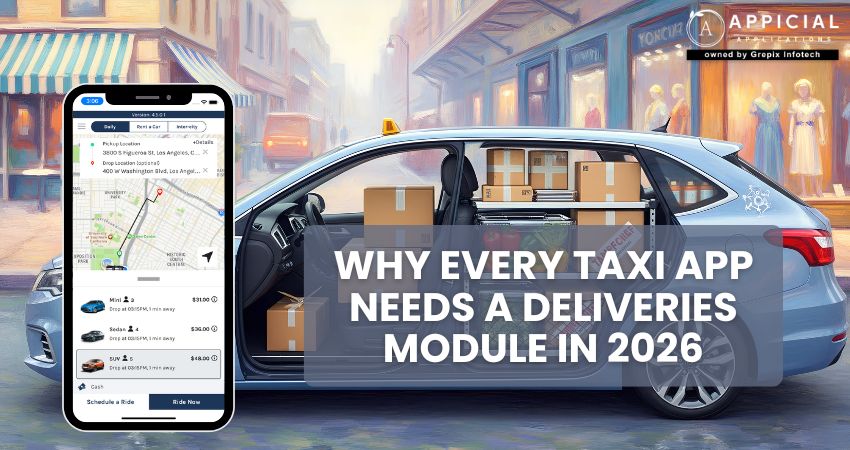
Why Every Taxi App Needs a Deliveries Module in 2026
Ride-hailing has changed fast in recent years. Most platforms began with one goal: moving people from one place to another. That model is no longer enough. The market now rewards platforms that offer more than rides. A deliveries module has become a core requirement. It supports growth, improves fleet usage, and expands revenue. It also helps a platform stand out in crowded markets.
Industry data supports this shift. Global last-mile delivery demand continues to rise. Analysts expect the market to exceed USD 210 billion by 2026. Growth rates remain double-digit, driven by eCommerce, urban density, and user expectations. Customers want faster and simpler delivery options. They also prefer apps that combine multiple services in one place.
Taxi platforms already have the vehicles, drivers, and routing systems needed for delivery. Adding a dedicated deliveries module helps them use these assets more effectively. This change is now common among businesses using an Uber Clone or any ride-sharing app to scale operations. Many platforms adopt a white-label taxi booking app to enter the market quickly and compete with established brands. These solutions help them launch multi-service features without long development cycles.
A deliveries module is not an optional upgrade. It is part of a sustainable mobility strategy. The sections below explain why.
This comprehensive guide explores why every taxi platform must include a deliveries module to stay competitive in 2025. The mobility market is shifting fast, and users now expect more than simple ride bookings. They want quick parcel transport, secure item handling, and reliable delivery tracking within the same app they already use for daily commutes. The blog explains these changes through data, trends, and practical insights. It examines market growth, revenue opportunities, user behavior, fleet efficiency, and platform scalability. It also outlines how delivery features support local businesses, strengthen brand reputation, and improve operational stability.
Why Is Delivery Integration Now a Basic Requirement?
User habits changed significantly after 2020. People expect instant access to daily services. They want quick parcel delivery, secure item transport, and real-time tracking. Traditional courier services often fail to meet these expectations. Taxi platforms fill this gap well because they already operate in dense urban areas.
Adding a deliveries module to a ride-sharing app allows customers to send small packages, documents, and urgent items effortlessly. The feature increases platform relevance and frequency of use. Instead of using separate apps for rides and deliveries, users rely on one platform. This creates stronger engagement and better retention.
Many platforms choose solutions built by a white label taxi app development company to introduce these features without delays. These systems are prepared for multi-service operations and support scalability.
How Does a Deliveries Module Boost Revenue?
Relying only on rides limits income. Ride demand fluctuates daily, weekly, and seasonally. Delivery demand is steadier. Both services complement each other. When ride requests decline, delivery requests often rise.
Adding delivery services creates a second income stream with minimal additional cost. Vehicles and drivers are already available. The platform only needs software features to manage delivery tasks. Reports show that platforms offering deliveries can increase total revenue by 20% to 35% within the first year.
This approach is common among businesses using an Uber Clone structure. They use the existing dispatch model to support both rides and deliveries. This increases revenue per driver and reduces idle time.
What User Trends Support This Shift?
Urban users look for fast and reliable doorstep services. Recent surveys show that seven out of ten users are open to using ride-hail drivers for parcel deliveries. Users trust the verification systems, tracking tools, and payment security already present in taxi apps. They feel more comfortable sending items through platforms they already use for daily travel.
The popularity of same-day delivery continues to rise. Retailers depend on faster logistics. Consumers do not want to wait. A taxi platform with a delivery feature fits perfectly into this pattern. A white-label taxi booking app with delivery capabilities attracts users who want simplicity, speed, and convenience.
How Does Delivery Improve Fleet Utilization?
Taxi fleets operate unevenly throughout the day. Peak hours bring heavy ride activity. Midday and late-night periods often remain slow. A deliveries module helps balance fleet usage. Drivers can take delivery requests during low ride periods. This reduces downtime and keeps earnings consistent.
Higher utilization benefits both the drivers and the platform. Platforms using multi-service features report up to 30% more completed tasks per day. This leads to higher retention among drivers. Drivers prefer platforms that keep them busy and help them earn more consistently.
A modern taxi app development company can design intelligent routing and automated dispatch systems to manage both rides and deliveries efficiently.
How Does a Deliveries Module Offer a Competitive Edge?
Competition in mobility is intense. New platforms launch each year. Many adopt multi-service models from day one. If a platform limits itself to rides, it risks falling behind. Users will choose a competitor that offers more convenience.
Delivery capabilities increase platform value. They attract more users, create stronger brand recognition, and support long-term growth. Businesses using an Uber Clone often include deliveries from the start to stay competitive. Multi-service platforms hold a stronger market position because they meet more user needs.
Working with a white label taxi app development company gives businesses a fast path to adopt these features with flexible customization.
How Do Delivery Features Support Local Business Ecosystems?
Local businesses depend on quick delivery solutions. Retail stores, pharmacies, restaurants, and service shops need reliable delivery partners. A taxi platform with a deliveries module can serve these businesses and open B2B revenue channels.
Partnerships strengthen the platform’s presence in local markets. Businesses benefit from the platform’s driver network and fast delivery times. The platform benefits from stable and recurring demand. This strategy works well for platforms using an Uber Clone or a ride-sharing app designed for multi-service operations.
What Operational Advantages Does Delivery Integration Provide?
A taxi platform gains several operational benefits from delivery features:
- Better workload distribution
- Higher trip volume
- Reduced idle hours
- More predictable earnings
- Improved customer engagement
- Enhanced fleet efficiency
Delivery workflows are usually simpler than passenger rides. There is no need for additional onboarding. Drivers follow the same pickup and drop-off logic, supported by routing algorithms. A skilled taxi app development company can automate most delivery tasks to reduce manual effort.
Why Should Startups Include Deliveries from the Beginning?
New mobility brands face strong competition. Launching with ride-only features limits their reach. Users want multi-service options immediately. Startups that offer both rides and deliveries at launch gain faster traction.
Using a white-label taxi booking app helps them deploy quickly. These platforms include both ride and delivery modules. Startups can compete with larger platforms without long development periods.
This strategy helps them enter new markets faster. It also improves user acquisition because customers prefer versatile platforms.
Offering deliveries early builds relevance and strengthens market entry.
Learn More: Corporate Ride Solutions: How Businesses Use Taxi Apps for Billing and Travel Policies
What Technical Requirements Support Delivery Features?
Delivery operations rely on strong technical systems. Platforms require accurate routing, secure payment processing, ID verification, and real-time tracking. They must also support item images, proof-of-delivery options, and automated pricing.
A trusted white label taxi app development company builds these systems with scalability in mind. Key features include:
- Real-time GPS tracking
- Multi-stop routing
- Delivery-specific pricing
- Sender and receiver verification
- Push notifications
- Route optimization
- In-app communication
These components ensure smooth operations even when demand increases.
Conclusion Why Appicial Applications Is the Right Partner for 2026 Growth?
A deliveries module is now essential for every modern taxi platform. Market demand is rising. Users want a single app for multiple daily needs. Businesses that integrate deliveries gain stronger revenue, better fleet utilization, and a clear competitive advantage. A platform that offers both rides and deliveries builds a more resilient business model.
Appicial Applications delivers scalable and reliable mobility solutions built for real-world use. As a leading white label taxi app development company, Appicial Applications specializes in Uber Clone systems, multi-service platforms, and advanced delivery integrations. Their solutions help companies launch quickly, expand faster, and operate with confidence.
If you want to grow your ride-sharing app or build a multi-service taxi platform, Appicial Applications is ready to help.
Start today. Connect with Appicial Applications to build a future-ready, revenue-driven mobility platform.
FAQs
Author's Bio

Vinay Jain is the Founder at Grepix Infotech and brings over 12 years of entrepreneurial experience. His focus revolves around software & business development and customer satisfaction.
Back to blog list