
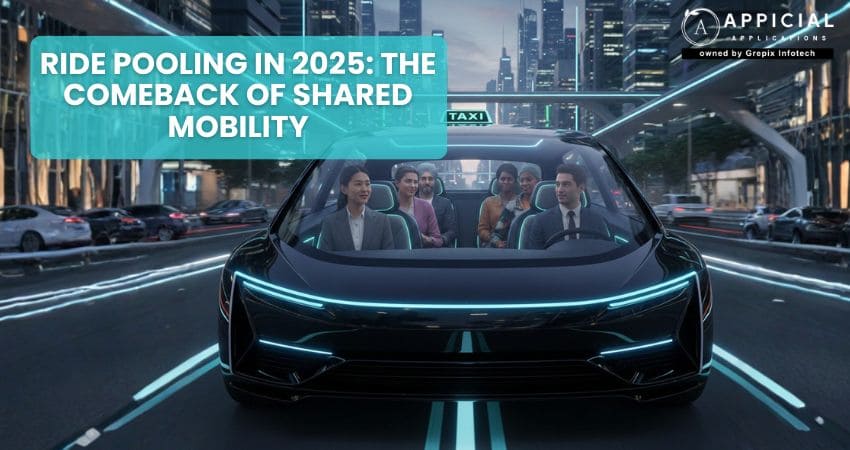
Ride Pooling in 2025: The Comeback of Shared Mobility
Ride pooling is growing fast. Cities are crowded. Traffic is worse than ever. Gas prices jump unpredictably. Commuters want cheaper ways to get around. Roughly two-thirds of urban riders say they would try pooling if it saves them money or a few minutes of travel time.
Drivers benefit too. Fewer empty seats mean more earnings. Fuel use drops. Maintenance costs reduce slightly. Technology makes this practical. Many companies start with an Uber Clone. It works immediately and avoids early mistakes. Others build a custom ride-sharing app. They adjust features for local city patterns. Some use a white-label taxi booking app. It allows branding and customization. Usually, these apps come from a skilled white label taxi app development company or a trusted taxi app development company.
For example, a driver named Mark in Chicago noticed he could take three riders on his regular commute. It reduced his idle time and increased his daily earnings. Meanwhile, riders like Sara enjoyed splitting the fare with two strangers. Small wins like these drive adoption.
Ride pooling is making a strong comeback in 2025 as cities become more crowded and commuters look for affordable, fast, and eco-friendly travel options. Shared mobility helps riders save money while reducing traffic and emissions. Drivers benefit too, completing more trips with less idle time, which boosts their earnings. Technology plays a key role in this revival. Platforms built with an Uber Clone, a ride-sharing app, or a white-label taxi booking app from a trusted white label taxi app development company or taxi app development company make ride pooling efficient, safe, and reliable. AI and automation help match riders, optimize routes, and predict demand, ensuring smoother trips for everyone. In short, ride pooling in 2025 is practical, eco-friendly, and profitable. With the right technology from Appicial Applications, companies can launch smart, scalable platforms that meet rider expectations while staying ahead in the shared mobility market.
What Is Driving Tech Innovation in Ride Pooling?
Technology is at the heart of pooling’s comeback. Smart routing algorithms now calculate pickup points within seconds. Apps match passengers efficiently. Early tests show travel time can drop by 10–15% compared to older systems. Drivers wait less. Riders reach destinations faster.
Platforms built with an Uber Clone handle live traffic updates. Custom ride-sharing apps allow local tweaks. A white-label taxi booking app can integrate features without starting from scratch. A white label taxi app development company ensures apps scale for large fleets. A taxi app development company guarantees backend stability.
Consider Mia, who runs a small fleet in Seattle. After implementing AI-assisted matching, she saw average wait times drop from 12 minutes to 8 minutes. Riders stayed happier. Drivers completed more trips daily. Technology makes pooling predictable and dependable.
How Are Urban Mobility and Sustainability Influencing Ride Pooling?
Sustainability matters. Cities want fewer cars on the road. Shared rides reduce CO₂ per passenger. Even a small adoption can cut emissions 10–15%.
Apps built on an Uber Clone or ride-sharing app can display environmental impact. Riders see their CO₂ savings. A white-label taxi booking app from a white label taxi app development company can support electric vehicles and eco-routing. A taxi app development company ensures optimized routes.
For example, a commuter, Alex, chooses pooled rides to reduce his carbon footprint. He tracks how much he saves each month in the app. Small, practical tools like this make pooling attractive for eco-conscious riders.
Why Are Businesses Investing Heavily in Shared Mobility Apps in 2025?
Shared mobility is booming. The global market may surpass $1.4 trillion in 2025. Operators benefit. Vehicles carry more passengers. Revenue per trip rises. Riders pay less. Adoption increases.
Many startups launch with an Uber Clone. It provides a stable foundation. Others build a custom ride-sharing app. They adjust it for city-specific travel patterns. Some prefer a white-label taxi booking app for branding flexibility. These apps come from a skilled white label taxi app development company or a professional taxi app development company.
Take a company in Boston. They started with a white-label taxi booking app. Within three months, 40% of their rides were pooled. Operations ran smoothly. Costs stayed predictable. The combination of technology and demand made pooling viable.
How Are AI and Automation Reshaping Ride Pooling?
AI is changing polling. It predicts demand. Matches passengers. Assigns rides dynamically. Automation handles fare splitting, multiple stops, and route adjustments. Early pilots report wait times drop by 15–20%. Riders get smoother trips. Drivers spend less time idling.
Platforms built with an Uber Clone or a ride-sharing app can easily integrate AI. A white-label taxi booking app from a white label taxi app development company can add predictive routing and ETA updates. A taxi app development company integrates traffic monitoring and surge management.
For instance, in Los Angeles, a driver used AI routing during rush hour. He took four passengers in one ride, instead of two. The ride took only a few minutes longer than a solo trip. Riders appreciated the lower fare. Drivers appreciated the extra income.
What Do Riders Expect from Ride Pooling Platforms in 2025?
Riders want fast, transparent service. They want accurate ETAs. They want fair fares. About two-thirds will choose pooling if it adds no more than a few minutes. They want verified drivers and clean cars.
Platforms built with an Uber Clone or ride-sharing app must deliver clear navigation and simple payments. A white-label taxi booking app from a white label taxi app development company can provide SOS alerts, driver verification, and live tracking. A taxi app development company ensures app stability under heavy traffic.
Take Rachel, who uses pooling daily. She checks ETA, fare split, and driver rating before confirming a ride. Small details like this create trust and satisfaction.
Learn More: Ride Pooling in 2025: The Comeback of Shared Mobility
What Is the Future of Ride Pooling Beyond 2025?
Pooling will continue to grow. Cities are testing adaptive transit networks. Some regions use dynamic shuttles that adjust routes in real time. Analysts suggest one-third to 40% of urban rides could involve pooling by 2030.
Businesses planning ahead start with an Uber Clone for stability. Others develop a custom ride-sharing app for local nuances. Some prefer a white-label taxi booking app for speed and flexibility. A skilled white label taxi app development company ensures scaling is easy. A taxi app development company builds future-ready features like smart traffic integration and autonomous vehicles.
How does Pooling Benefit Riders and Operators Daily?
Pooling saves money and time. Riders split fares. Drivers increase earnings per trip. Cities reduce congestion. Operators track performance via apps.
Apps built on an Uber Clone or ride-sharing app provide dashboards for drivers and managers. A white-label taxi booking app from a white label taxi app development company allows route optimization. A taxi app development company ensures smooth, crash-free operation.
For example, Liam, a driver in Miami, noticed more daily completed trips. Riders were happy with the pooled system. Traffic was lighter on his usual route. Small improvements like these encourage wider adoption.
Conclusion
Ride pooling in 2025 is practical, cost-effective, and eco-friendly. Riders save money. Drivers earn more. Cities see fewer cars on the road. Apps ensure reliability. AI and automation improve efficiency.
Appicial Applications provides ready-to-launch solutions. Their Uber Clone, ride-sharing app, and white-label taxi booking app are built for growth. As a trusted white label taxi app development company and taxi app development company, Appicial delivers performance, scalability, and modern features.
Start your ride-pooling platform with Appicial Applications today. Operate smarter, grow faster, and serve riders better.
FAQs
Author's Bio

Vinay Jain is the Founder at Grepix Infotech and brings over 12 years of entrepreneurial experience. His focus revolves around software & business development and customer satisfaction.
Back to blog list