
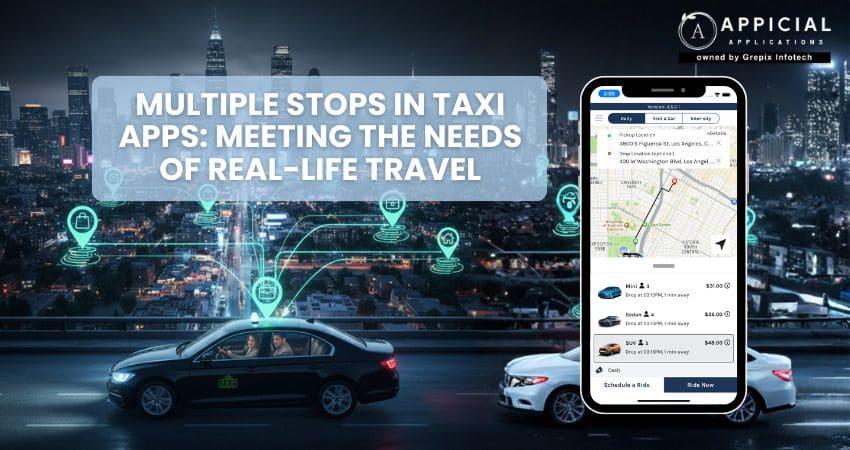
Multiple Stops in Taxi Apps: Meeting the Needs of Real-Life Travel
Modern travel patterns change quickly. People move between several places each day. They pick up friends, stop for work errands, drop kids at school, or visit multiple meeting points. A single-destination ride does not reflect how people move anymore. This is why taxi apps are adopting multi-stop features as a core part of their service.
Reports show that more than 60% of ride-hailing users prefer apps that allow flexible routing. This reflects a real shift. People want one smooth trip, not several short ones. They expect apps to adjust to their day, not the other way around. For businesses running an Uber Clone or any ride-sharing app, offering multiple stops has become a competitive requirement, not an optional upgrade.
This blog explains why multiple stops have become an essential feature in modern taxi apps. It discusses user needs, market trends, operational benefits, routing accuracy, and revenue opportunities. It also highlights how businesses can strengthen their platforms with reliable development partners and flexible technology. The conclusion explains why Appicial Applications is a strong choice for companies building scalable mobility apps.
This blog explains the InDriver-style fare bidding model and why it is a significant trend in the ride-hailing space. It explains how riders propose a price, how drivers respond, and why both sides prefer it to fixed or surge pricing. The piece cites some of the advantages for riders, drivers and newcomers to competitive markets. It also describes the features a bidding-based platform requires and how this model enables more transparency and better driver payouts. The conclusion also suggests Appicial Applications as a reliable app development company for anyone looking to develop a ride-sharing app or Uber Clone featuring a negotiation engine.
Why Are Multiple Stops Important for Everyday Travel?
Daily travel rarely follows a straight line. People often need quick stops. Maybe they need to pick up food, buy medicine, pick up a coworker, or drop something off. Multi-stop features allow all of this within one trip. The entire ride becomes smoother and easier.
A traveler does not need to book separate rides. They can plan everything in advance. This flexibility reduces hassle, saves time, and supports real-life movement patterns. For platforms using an Uber Clone, the multi-stop feature is now part of delivering a realistic travel experience.
People expect apps to feel responsive. When the app lets them adjust stops, the ride becomes more personal. This increases trust and satisfaction. A ride-sharing app that aligns with daily habits is more likely to keep long-term users.
How Do Multiple Stops Improve User Experience?
User experience drives retention in the mobility sector. When an app feels simple and efficient, people return. Multi-stop options contribute to that sense of ease. Riders can add destinations in seconds. They don’t need to cancel rides or rebook trips.
The process becomes direct and predictable. Fare estimates update in real time, so nothing feels unclear. Many users value transparency more than anything else. Studies show that apps with straightforward navigation and flexible routing experience 20–30% better user retention. This is a clear advantage for businesses working with a white label taxi app development company.
An Uber Clone with multi-stop routing also reduces user effort. People don't want extra taps or complicated forms. Quick actions keep them engaged. The app feels reliable and modern.
How Does Multi-Stop Routing Support Drivers?
Drivers benefit from this feature as much as riders. Clear routing reduces confusion and stress. They see all stops ahead of time. They understand trip length and possible earnings before they begin. This gives drivers more control over their work.
Drivers also avoid backtracking. They can follow a logical route without guessing. This leads to better time management. A well-built ride-sharing app improves driver satisfaction because trips feel smoother.
Fleet operators also gain value. Multi-stop routes provide useful data for planning. They can track demand, busy areas, and common driving patterns. A strong taxi app development company can integrate dashboards that help operators use this data for scheduling and resource allocation.
How Does Multi-Stop Routing Support Smarter Urban Mobility?
Urban transportation continues to shift toward efficiency. Multi-stop routing supports that shift. It reduces extra trips on the road. When riders complete several errands in a single ride, fewer vehicles are needed.
This reduces fuel use and traffic congestion. It also supports cleaner mobility goals. Platforms built with an Uber Clone or a white-label taxi booking app can easily include routing systems that improve overall trip efficiency.
Cities benefit from these improvements. Businesses gain new opportunities as they operate more efficiently. A white label taxi app development company can also integrate AI-driven routing that adjusts paths based on traffic and distance. This leads to safer, faster, and more predictable rides.
How Do Multiple Stops Help Increase Revenue?
Multi-stop features often increase the total fare. Riders expect to pay more for extra distance or time. Because the trip becomes longer and more detailed, revenue per ride goes up.
Platforms built with an Uber Clone can include flexible pricing. They can add fees for additional stops or distance-based adjustments. This keeps pricing fair while boosting earnings.
Drivers also benefit. Longer trips often lead to better payouts. Users appreciate the convenience, so they are willing to spend more. Companies working with a taxi app development company can add premium features around multi-stop routing to create new revenue channels.
Are Multiple Stops Now an Industry Expectation?
The market has changed. Features that once seemed advanced are now standard expectations. Many riders compare apps before choosing one. If a platform lacks flexible routing, people switch quickly.
A ride-sharing app that includes multi-stop navigation looks modern and practical. It meets the expectations of routine travelers and high-frequency users. This helps businesses stay competitive.
A white label taxi app development company can help platforms integrate this feature with custom options. This ensures that each app stands out while still meeting global mobility standards.
Learn More: InDriver-Style Bidding: How Rider-Driver Price Negotiation Works
Does Better Routing Improve Operational Performance?
Routing accuracy affects the entire service. Multi-stop features depend on strong mapping tools and real-time tracking. When done well, the app picks efficient paths. This reduces lost time and lowers fuel usage.
A reliable taxi app development company uses high-quality navigation APIs and live traffic data. This helps drivers move between stops without guesswork. Riders get accurate arrival times, which improves trust.
Better routing also improves fleet performance. Operators can plan schedules, track driver productivity, and identify demand patterns. A white-label taxi booking app with advanced routing becomes easier to scale as the business grows.
Why Should Businesses Prioritize This Feature Now?
User expectations continue to rise. Businesses that do not update their platforms fall behind quickly. Multi-stop routing matches the real-world needs of families, professionals, travelers, and shared commuters.
A modern Uber Clone or ride-sharing app must have reliable routing, clear pricing, and intuitive design. Users stay longer when the app feels simple and flexible. This increases brand value and reduces churn.
A strong white label taxi app development company or taxi app development company can help businesses integrate multi-stop routing smoothly. They ensure that the feature works well under real-world conditions and can scale as demand increases.
Conclusion
Multiple stops are now a necessity in taxi apps. They reflect real-life travel patterns and support user convenience, driver clarity, and business efficiency. Companies that adopt this feature gain stronger retention, better customer satisfaction, and improved revenue. A high-quality ride-sharing app with flexible routing also creates a more dependable mobility experience.
If your business wants to stay competitive, you need the right technology partner. Appicial Applications is a trusted leader in the mobility sector. As an experienced white label taxi app development company and advanced taxi app development company, Appicial builds powerful solutions with multi-stop routing, real-time tracking, and modern design. Their white-label taxi booking app and customizable Uber Clone platforms help businesses launch quickly and scale with confidence.
Ready to upgrade your taxi app? Contact Appicial Applications today and build a smarter, more flexible ride-hailing platform.
FAQs
Author's Bio

Vinay Jain is the Founder at Grepix Infotech and brings over 12 years of entrepreneurial experience. His focus revolves around software & business development and customer satisfaction.
Back to blog list