
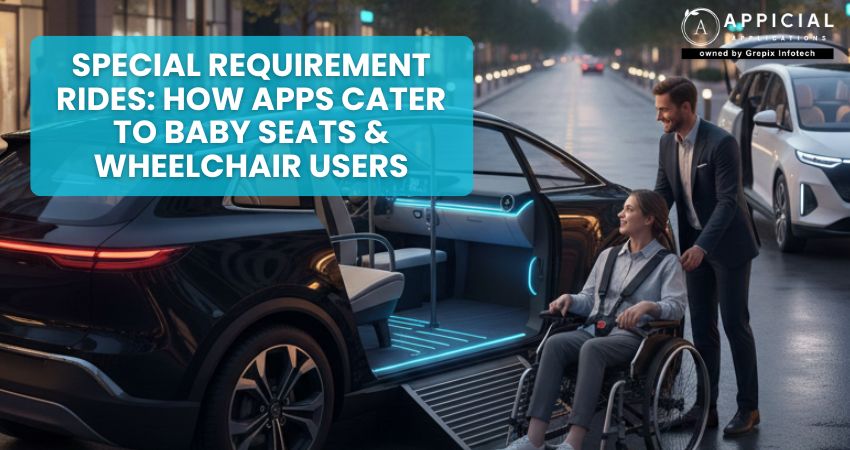
Special Requirement Rides: How Apps Cater to Baby Seats & Wheelchair Users
Cities are changing fast. Many households do not rely on personal cars anymore. They lean on app-based rides for daily travel. This shift makes special-requirement options more visible and more urgent. When parents travel with infants, they need proper child restraints. It is not optional. Safety agencies report that approved child seats lower injury risk by at least 70% in common crash scenarios. That number explains the demand.
Wheelchair users face even bigger barriers. Public transport still struggles with accessibility. Many buses and trains lack ramps, clear floor space, or proper assistance. The WHO reports that about 1 in 6 people live with a disability that may affect mobility. A share of this group depends heavily on private mobility services. Without accessible ride options, daily routines become harder, sometimes impossible.
This is where digital platforms step in. Many operators use an Uber Clone as their base system. Others start with a full ride-sharing app solution or a white-label taxi booking app that can be modified. They work with a white label taxi app development company or a specialized taxi app development company to add accessibility features. The goal is simple: make mobility fair for everyone.
This article explains how digital taxi platforms support riders who need baby seats or wheelchair accessibility. It covers regulations, app features, driver training, and the technology behind these services. You will also learn how solutions such as an Uber Clone, a ride-sharing app, or a white-label taxi booking app help operators build inclusive mobility systems. The conclusion highlights how Appicial Applications supports businesses in launching or scaling these features.
What Baby-Seat Options Require in a Ride-Hailing System?
Baby-seat features seem simple at first glance, but they involve several details behind the scenes. Regulations vary from region to region, but they often cover restraint type, weight category, installation method, and seat condition. A wrong installation can make the seat ineffective. This is why drivers must follow strict guidelines.
Parents usually expect three types of seats:
- Infant seats
- Toddler seats
- Booster seats
Each type serves a different age group. Apps must help riders choose the right one without confusion. A ride-sharing app can show seat types during booking. It can highlight weight and age limits. It can also explain how many seats the vehicle carries.
An Uber Clone makes this easier because it already supports custom ride categories. Developers can add a “Baby Seat Ride” option and attach seat details. A white label taxi app development company can then build verification steps so only inspected vehicles appear under that category. This avoids errors and builds trust.
Data from mobility surveys shows that around 70–75% of parents prefer to book rides that clearly mention seat availability before checkout. When apps hide this information or show it too late, people cancel. Operators lose revenue. Transparency matters.
A white-label taxi booking app can also track seat condition. It can remind drivers to clean or replace the seat. These reminders keep the service reliable without manual checks.
How Apps Handle Wheelchair-Accessible Ride Requirements?
Wheelchair-accessible rides involve more moving parts. Vehicles need ramps, lifts, or wide sliding doors. Some need anchor points to secure the wheelchair. Others need extra cabin height. These are not small adjustments. They affect fleet planning, driver preparation, and vehicle procurement.
App platforms must show accessibility information clearly. Riders want to know:
- Does the vehicle have a manual or automatic ramp?
- Is there space for an electric wheelchair?
- Does the driver know how to secure the chair?
An Uber Clone can handle these data fields because it supports structured attributes in each vehicle profile. A taxi app development company can expand these fields to include photographs, ramp specs, or safety notes. These details matter for riders who rely on accurate information.
Statistics from disability rights organizations show that 40% of wheelchair users avoid conventional taxi services because they cannot be sure the vehicle will fit their chair. A well-designed ride-sharing app solves this by offering filters, rider notes, and driver communication before pickup.
A white-label taxi booking app can also store training certificates. Drivers who complete accessibility training can unlock the option to accept wheelchair-friendly trips. This ensures safer handling and timely assistance. Riders can also see which drivers have completed this training.
Features That Improve Special-Requirement Ride Experience?
Special-requirement rides depend on accuracy and preparation. These features help:
- Safety and Compliance Monitoring: Baby seats need frequent inspections. Straps loosen. Padding wears out. Wheelchair-accessible vehicles also need routine checks. Ramps must function. Belts must lock securely. Apps can track inspection dates and remind operators when maintenance is due.
- Driver Training Records: Drivers must know how to install a baby seat or operate a ramp. Apps can store their training history. An Uber Clone can tag trained drivers so they receive relevant trip requests. A white label taxi app development company can build tools for training uploads or renewals.
- Better Ride Matching: AI helps match riders with the right vehicle. It considers seat type, ramp availability, distance, and rider notes. This cuts down mismatches. Many operators integrate these tools through a ride-sharing app to reduce wait times.
- Real-Time Support: Parents and wheelchair users sometimes need fast help. Real-time chat, SOS buttons, and live tracking make the experience smoother. These tools also build confidence in the service.
- Clear Pricing: Special equipment costs money. Seats need replacement. Wheelchair vehicles cost more to maintain. Clear pricing avoids confusion. A white-label taxi booking app can show an itemized breakdown before riders confirm.
Learn More: Gender Preference Rides: Enhancing Safety and Comfort for Riders
How Technology Helps Operators Manage Special-Requirement Rides
Tech plays a central role in organizing these services.
- Modular Categories: Platforms must keep standard rides and special-requirement rides separate. This avoids booking mistakes. Modular design works well with an Uber Clone because categories can be added without breaking the system.
- Fleet Dashboards: Operators must track each vehicle. They need to know which seat is available, which ramp is due for repair, and which vehicle is offline. A dashboard inside a ride-sharing app helps them manage this easily.
- Predictive Demand Tools: Accessible vehicles are fewer in number. Predicting demand matters. Studies show that predictive dispatching can cut wait times by 25–30% in accessible ride categories. A taxi app development company can integrate these analytics tools into the admin panel.
- Automatic Communication: Apps can notify riders when the driver is trained, when the seat is installed, or when the ramp is checked. These small updates reduce anxiety and improve reliability.
Why Operators Choose Uber Clone Solutions
Using an Uber Clone speeds up development. It includes most taxi features from day one. Operators only add or adjust the modules they need. This saves time and lowers risk.
A white label taxi app development company can customize it to meet local regulations, accessibility rules, and business goals. A taxi app development company can add new features or restructure ride categories without rewriting the entire platform.
The clone model also scales well. Once the operator grows, they can add more accessible vehicles or expand to new regions.
Conclusion
Special-requirement rides are a core part of modern mobility. Parents need safe seats. Wheelchair users need reliable access. Apps must deliver accurate information, trained drivers, and consistent safety standards. Strong tech systems make this possible.
If you plan to build or expand a mobility platform, Appicial Applications can help. The company builds advanced Uber Clone products, flexible ride-sharing app solutions, and robust white-label taxi booking app systems. As a trusted white label taxi app development company and experienced taxi app development company, Appicial offers stable, scalable, and fully customizable platforms.
Reach out to Appicial Applications and start building a mobility service that supports every rider.
FAQs
Author's Bio

Vinay Jain is the Founder at Grepix Infotech and brings over 12 years of entrepreneurial experience. His focus revolves around software & business development and customer satisfaction.
Back to blog list