
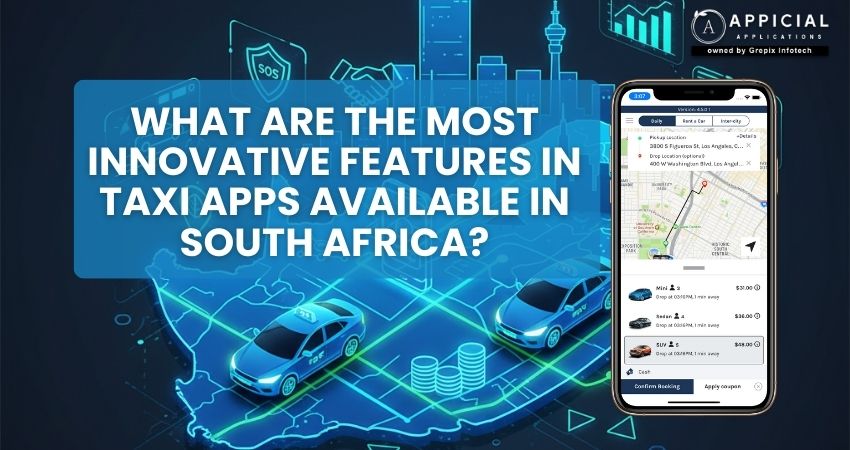
What Are the Most Innovative Features in Taxi Apps Available in South Africa?
Modern users expect freedom in how they pay. According to Statista, global mobile wallet transactions crossed USD 9.5 trillion in 2023, and adoption keeps rising. For taxi services, that trend is decisive. Riders demand speed and security. They also want to use the same method they use for other purchases, whether Apple Pay, PayPal, Google Pay, or a regional wallet.
A taxi app without flexible payment methods risks customer drop-offs. Cash-only or card-only systems lose relevance fast. This is why the ride-sharing app ecosystem now standardizes multiple gateways. Riders can book instantly and pay with a saved card, wallet balance, or coupon.
From a startup perspective, flexible payments also improve revenue assurance. Drivers get faster settlements. Customers complete rides without failed payments. These advantages build trust and repeat use.
The mobility industry in South Africa is rapidly changing. Taxi apps are ubiquitous urban mobility tools. Co-opetition among platforms like Bolt, Uber and homegrown startups has speeded up innovation. This blog will look at the latest features seen in taxi apps in South Africa. It also illustrates the way in which ride sharing app solutions like the Uber Clone, empower start-ups. The emphasis is still on utility, safety and customer service.
What innovative safety and security features define today’s taxi apps?
Enhancing trust through tech
Safety remains the top concern for passengers and drivers. New taxi apps in South Africa address this with several innovations.
- Real-time ride tracking: Passengers can share live trip details with family or friends. This builds transparency and reduces safety anxiety.
- Driver background checks: Modern platforms integrate national ID verification systems to ensure secure driver onboarding.
- SOS button and live response: Users can alert emergency contacts or authorities with one tap.
- AI-based trip monitoring: Algorithms detect irregular trip patterns, such as unplanned detours or extended stops.
Such features are now standard in leading platforms and are included by every reputable taxi app development company. These enhancements reduce risks and build user trust. For developers, safety features are now a competitive necessity, not an option.
How do payment innovations improve user experience?
Seamless transactions for a digital economy
South African commuters expect smooth, secure payments. Taxi apps are integrating multi-gateway systems that support cards, mobile wallets, and even cryptocurrency in some pilots.
A white-label taxi booking app today typically includes:
- In-app wallets for instant top-ups.
- Split fare options for group rides.
- Contactless payments for hygiene and speed.
- Automated invoicing for business travelers.
These features make every transaction faster and safer. They also encourage repeat usage. According to a 2024 McKinsey report, apps offering multiple payment options see 25% higher retention rates. The ability to process digital transactions efficiently is a hallmark of any modern ride-sharing app.
How is AI transforming routing and dispatch operations?
Smarter matching and faster arrivals
Artificial Intelligence has become essential to the Uber Clone ecosystem. AI algorithms now optimize driver-passenger matching, route efficiency, and surge pricing.
For example:
- Predictive dispatching analyzes historical demand to pre-position drivers.
- Dynamic pricing models ensure fair earnings while managing supply-demand balance.
- AI-powered navigation considers real-time traffic and weather conditions.
This technology can reduce wait times by up to 30%, according to Deloitte’s 2023 mobility study. In South Africa, cities like Johannesburg and Cape Town already use this in advanced ride-sharing apps. The technology ensures faster pickups and improved earnings for drivers.
How do local innovations address South African challenges?
Localization and accessibility
Successful mobility apps in South Africa adapt to local realities. Internet connectivity and affordability are key issues. To address this, modern platforms use offline functionality that allows drivers to complete trips even when the connection drops.
Language localization also plays a key role. Apps now support multiple South African languages to widen their reach. Some apps also provide cash payment options for users without access to cards or wallets.
Furthermore, developers have started integrating fuel efficiency calculators and eco-mode options to address rising fuel costs. These features demonstrate how white label taxi app development companies tailor global templates for regional needs.
What role do driver tools and analytics play in growth?
Empowering drivers through insights
A taxi platform’s success depends on driver satisfaction. Contemporary Uber Clone software uses analytics and incentive tools to increase driver engagement.
Key features include:
- Earnings dashboard: Drivers can see their trips, commissions and bonuses in real time.
- Performance analytics: The application provides feedback on acceptance rates, ratings and service quality.
- Route optimization tools: Help drivers keep down idle and fuel waste.
- Gamified incentives: Increased productivity through reward systems.
These data-backed features increase driver loyalty and operational efficiencies. Appicial and other top taxi app development firms incorporate such insights directly into the modules of the driver app, in order to ensure both transparency and motivation.
How do customer engagement tools enhance loyalty?
Data-driven personalization
Contemporary ride-share applications depend on engagement. In-app chat, ride history, and personalized feedback options assist companies in understanding passenger preferences.
Artificial Intelligence enables ride recommendations and promotional offers in real time. For example, regular customers might benefit from special discount rates or priority booking services. Apps can also send contextual alerts, such as safety reminders, or alerts that a driver is arriving.
As per PwC research, apps that implement personalization successfully can experience up to 40% better retention. Individualized attention is now the big selling point for every taxi app development company.
How do sustainability and electric mobility shape the future?
Green innovation in ride-hailing
Sustainability has become a global priority. There is a general shift towards greener fleets, particularly in cities in South Africa. Taxi apps are adding EV integration.
- EV vehicle filters: Passengers can take green rides.
- Carbon trackers: Apps that estimate trip emissions.
- Driver incentives: Getting electric or hybrid vehicles on the road.
Such tools align mobility services with sustainability goals. Developers of white-label taxi booking apps now integrate sustainability tracking and eco-metrics. This helps brands appeal to conscious consumers and comply with upcoming emission norms.
Learn More: The Evolution of Ride-Hailing: From Custom Apps to White Label Platforms
How do analytics and admin dashboards support business decisions?
Smart control for operators
A robust admin dashboard is the command center for any taxi operation. The latest versions in white label taxi app development provide:
- Revenue analytics by region and time.
- Driver and vehicle performance metrics.
- Automated dispute management.
- Real-time monitoring of rides and incidents.
These insights allow operators to identify bottlenecks and optimize fleet performance. Appicial’s advanced dashboards enable startups to make informed decisions quickly. For a taxi app development company, analytics is now central to sustaining profitability.
How does Appicial Applications lead innovation in taxi app solutions?
Scalable, secure, and market-ready platforms
Appicial Applications has built a strong reputation in the white label taxi app development company segment. Its team provides global clients with scalable, customizable, and ready-to-launch solutions.
Each Uber Clone platform by Appicial includes cutting-edge features:
- AI-based dispatching and smart routing.
- Integrated wallet and dynamic pricing.
- Real-time analytics and multi-language support.
- Secure data architecture and compliance tools.
The company focuses on delivering quality, scalability, and security. Clients retain full source code and control, ensuring long-term flexibility. Startups and established fleets alike rely on Appicial to achieve rapid market entry with reliable technology.
Conclusion
Innovation continues to shape the South African market for taxi apps. The industry is quickly maturing, from AI dispatching to multilingual interfaces to tracking sustainability. These all make every ride share app safer and smarter and more inclusive.
Appicial Applications has been a trusted partner for entrepreneurs and fleet owners. With years of taxi app development experience, it helps businesses develop cutting-edge, market-ready products. Appicial is precise and fast whether you are looking for an Uber Clone or a white-label taxi booking app tailored for your needs.
If you aim to lead in mobility, start with the right technology partner. Contact Appicial Applications today to discuss your launch strategy and see how your business can go live in weeks, not months.
FAQs
Author's Bio

Vinay Jain is the Founder at Grepix Infotech and brings over 12 years of entrepreneurial experience. His focus revolves around software & business development and customer satisfaction.
Back to blog list